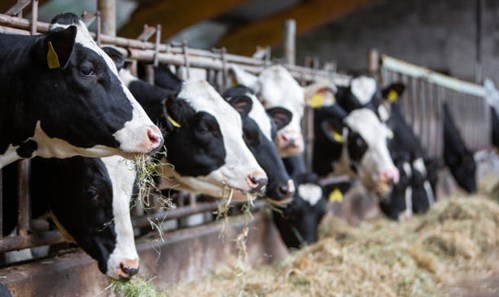
The "Make America More Ground Beef" (MAMGB) program is a proposed initiative utilizing USDA Commodity Credit Corporation (CCC) authority to provide immediate economic relief to dairy farmers by incentivizing the culling of older, lower-producing dairy cows. This strategy directly addresses high consumer beef prices by increasing the supply of ground beef, potentially lowering prices by and saving consumers up to 3 billion in six months.
Program Overview
Developed by organizations like Western United Dairies, the proposal calls on the USDA to use its existing Commodity Credit Corporation (CCC) authority to incentivize dairy farmers to voluntarily cull additional animals.
- Primary Goals: Reduce retail ground beef prices by an estimated 18–25%, support domestic packing plants, and provide financial relief to dairy farmers facing market collapses.
- Target Impact: Aims to divert 800,000 to 1,000,000 additional dairy-origin cattle in Spring 2026, adding roughly 1 billion pounds of lean trim to the market.
Payment Structure
The program features two voluntary tracks for participation, with payments made in addition to normal market sale prices:
- Immediate Cull Track: Farmers receive up to $1,800 per head ($1,600 base + $200 early-delivery bonus) for dairy cows of any age, paid upon proof of slaughter.
- Feedlot Beef Track: Farmers receive up to $2,000 per head ($1,800 base + $200 early bonus) for dairy heifers over 400 lbs shipped to approved feedlots for finishing.
Key Guardrails
To ensure industry stability, the program includes specific restrictions:
- Above-Baseline Rule: Incentives only apply to animals culled beyond a farm's historical average (e.g., if a farm usually culls 10 cows, only the 11th qualifies).
- Verification: Requires strict dairy-only verification via breed checks and RFID tags.
- Capacity Monitoring: USDA would pause regional enrollments if local packing plants reach 90% capacity to prevent supply chain bottlenecks.
As of mid-January 2026, the program is a proposal awaiting formal approval and implementation by the USDA.
As of January 2026, the Make America More Ground Beef (MAMGB) program faces significant criticism and risks related to its potential impact on the livestock industry and broader economy.
The following risks have been identified by agricultural economists, industry groups, and market analysts:
- Market Volatility and Price "Crashes"
- Wrecking the Bull Run: Analysts warn that artificial supply shocks could prematurely end the current high-price cycle for cattle producers, hurting the profitability of ranchers just as they begin to recover from years of tight margins.
- Futures Market Instability: Mere discussion of large-scale federal intervention has already been blamed for "market-rattling" volatility and sharp corrections in cattle futures.
- Disruption of Long-Term Supply
- Slowing Herd Rebuilding: By driving down prices via a mass cull, the program may discourage ranchers from retaining heifers (young females) for breeding. This could lead to even tighter supplies and higher prices in 2027 and beyond.
- Dairy Viability: While designed to help struggling dairies, critics argue that incentivizing a mass exit could weaken the long-term domestic dairy infrastructure.
- Implementation and Practical Hurdles
- Processing Bottlenecks: Adding 1 million cattle to the system in a short window could overwhelm packing plants, which are already facing labor shortages and high operating costs.
- Government Overreach: Industry groups like the Meat Institute and NCBA have criticized similar federal efforts as "meddling" that disrupts the free market and creates a "stick-and-carrot" dependency on government subsidies.
- Limited Impact on Retail Prices
- Lag Times: Economists point out a significant "lag time" between cattle prices and grocery store prices. A temporary supply surge might benefit processors more than consumers.
- Targeting Ground Beef Only: The program specifically targets lean trim for ground beef, meaning it would have zero impact on the record-high prices of steaks, roasts, or other premium cuts.
Source: AI Generated