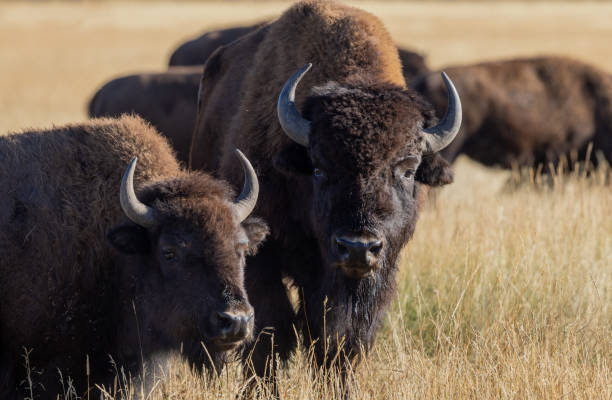
The Bureau of Land Management (BLM) revoked American Prairie's bison grazing leases in Montana, announced in January 2026, primarily because it determined the bison were not managed as commercial "livestock" under the Taylor Grazing Act. The decision followed pressure from the local livestock industry, which feared competition for grazing land and potential disease transmission.
Key reasons for the revocation include:
Definition of Livestock: The BLM argued that the bison, used for conservation and ecosystem restoration rather than strictly commercial, production-oriented purposes, did not fit the regulatory definition of "livestock" or "domestic" animals required for these specific federal grazing leases.
Political and Industry Pressure: The reversal followed a multi-year effort by the Montana livestock industry, along with state officials including Governor Greg Gianforte and Attorney General Austin Knudsen, who argued the bison threatened traditional cattle ranching in the region.
Legal Compliance: The decision aimed to align with a strict interpretation of the Taylor Grazing Act, which the BLM now states limits, in this case, the ability to issue these leases to organizations not strictly focused on commercial production.
While American Prairie managed its herd in a similar manner to livestock (including fencing and handling), the distinction that they were a "conservation herd" rather than a commercial production herd led to the reversal of the 2022 decision that initially allowed the grazing.